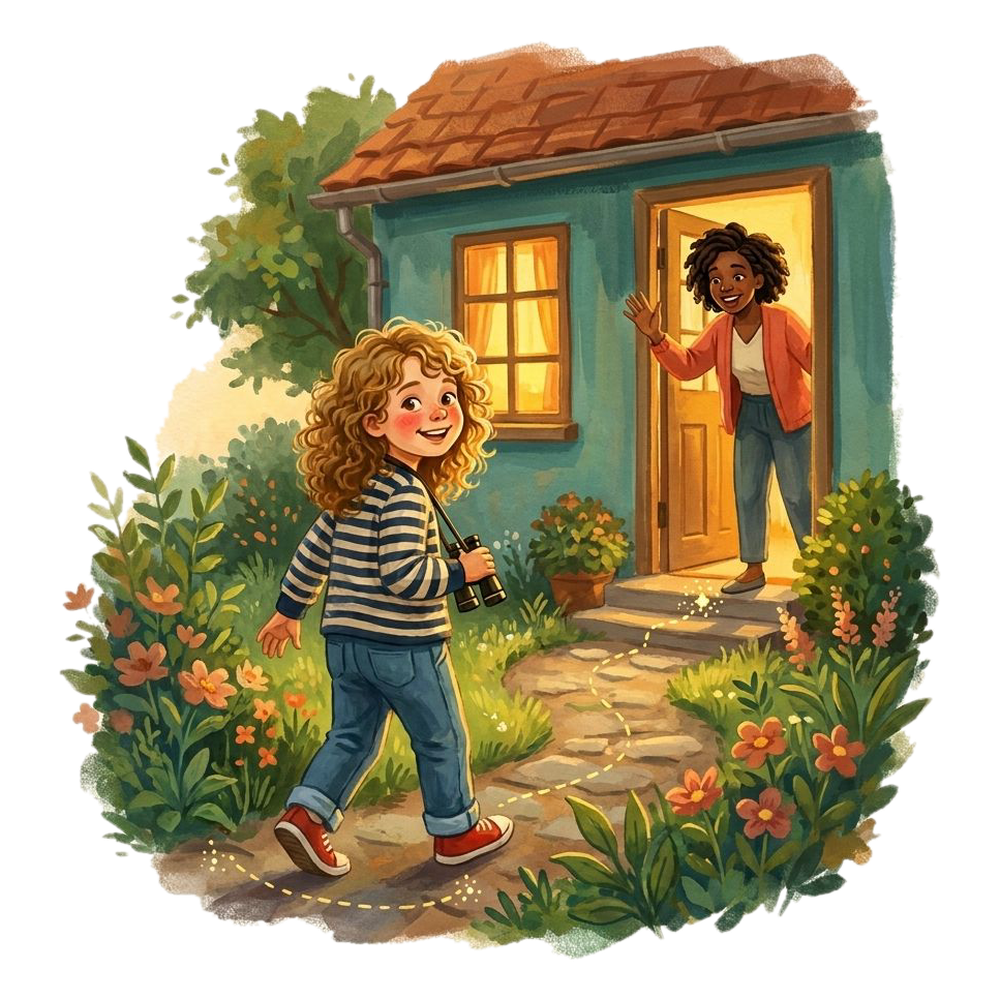
ABA Therapy That Meets Your Family
Where Life Happens.
We bring ABA therapy to your home, your child's school, and wherever else their day happens, so what they learn in a session shows up in the rest of the week.

Learning Happens Best in Real Environments
We believe skills taught in a child's natural environment generalize more effectively. That's why every service we provide is designed to reach your child in the places where real life unfolds: at the dinner table, in the living room, around your home. Changes here flow out into the school hallways, their favorite park, and follow them through their life.
With tailored care
Each program is individualized, family-centered, supervised by BACB-certified clinicians every step of the way, and built on the science of Applied Behavior Analysis.

Ages 2–6
Early intervention for maximum developmental impact
Ages 7–17
Specialized care to build behavioral foundations in a changing world
Certified
All programs supervised by Board Certified Behavior Analysts (BACB)
At home
We build skills & behaviors where they start, their environment.

ABA Therapy Delivered Right at Your Front Door
In-home therapy is the foundation of what we do. We work on the moments that are actually hard (getting through dinner, sharing with a sibling, going to bed) in the place they happen.
Your home is where the learning sticks, because it's where your child has to use it.
- Nobody has to drive anywhere. Sessions fit around the day you already have.
- Real-world skill building. Goals practiced where they matter most
- Family involvement built in. Parents and caregivers are active participants
- Flexible scheduling. We work around your family's needs
- Consistent therapist relationships. Familiar faces your child trusts

Shorter path to answers your family needs
Rural Tennessee families wait one to three years for an autism diagnosis. We make that process faster through ADOS-2 evaluations, so your child's physician has what they need to move forward without the wait.
Waiting three years for answers isn't a medical necessity. It's a geography problem. We're here to fix it.
- ADOS-2 administration. Gold-standard diagnostic observation by a trained BCBA
- Comprehensive written report. Delivered to your child's physician for diagnosis
- In-home evaluations. Up to two hours, conducted where your child is most comfortable
- Caregiver interview included. Your knowledge of your child shapes the assessment
- Clear next steps. We walk you through what the report means and what comes next
Why Ages 2 to 6
Matter Most
Ages 2 to 6 are the window for the skills a child needs to start school (asking for what they want, playing alongside other children, managing more of their own day).

Teaming up for your child's development
Therapy doesn't stop at the classroom door. We partner with your child's school in two ways: coaching you through IEP meetings so you walk in prepared, and working with schools to help them tailor their approach to your child’s developmental needs.
- IEP meeting support. Advocacy and guidance through the IEP process
- Educator consultation. Training school staff on effective strategies
- Behavior goal alignment. Coordinating ABA goals with school-based objectives
Worth knowing: insurance pays for behavior goals, not academic ones. So we work on the things that get in the way of learning (staying in the classroom, following a routine, handling transitions) and leave the teaching to your child's teachers.

Skills that stay with you after the therapy session
The strategies that work during a therapy session should work at 6 p.m. on a Tuesday, after a long day of work. Every program we build includes structured caregiver coaching, so you're not watching from the sidelines. You're building the skills alongside your child.
We're parents of children on the spectrum. We built our program the way we always wished someone had built it for us.
- In-the-moment guidance. Real situations require real strategies you can rely on.
- Understand the "why" behind behavior. Antecedents, behaviors, consequences in plain language
- Consistency across environments. Home, community, and caregivers aligned
- Long-term independence. The goal is your confidence, not your dependence on us
Conditions We Support
Most children we work with are autistic. Many also have a second diagnosis, like ADHD, oppositional defiant disorder (ODD), anxiety, or a developmental delay. Not sure where your child fits? Call us and we'll talk it through.
A note on insurance. Most private plans and TennCare will only cover ABA if autism is the primary diagnosis. Other diagnoses can often be worked on within the same program. We'll go through your plan with you on the first call.

-
Autism (ASD)
Primary focusAt home, it can look like
A small change to the morning routine can upend the whole day. Your child may not have the words for what they need yet, so it comes out as a meltdown.
How we help
We work in your living room, with your child's own toys and routines. We pick one skill at a time, like asking for help or getting through bath time. Then we show you how to keep it going between visits.
-
ADHD
At home, it can look like
Homework takes all evening. Your child is up from the table and onto something new before the first thing is done, and waiting a turn feels impossible.
How we help
We break chores and homework into short steps your child can finish, and we practice waiting and switching tasks during real moments at home. Coverage depends on your child's diagnosis, so we'll check your plan first.
-
Oppositional Defiant Disorder (ODD)
At home, it can look like
Small requests, like shoes on or screens off, turn into big arguments. By evening, you're both worn out.
How we help
We look for what sets off the arguments, then help your child find calmer ways to say no or ask for a break. You get a few simple steps for the hard moments, so fewer of them end in a fight.
She has made it easy for me and also all her knowledge has made me feel safe and reassured that my son and myself are safe in her line of work. She also offers help with IEP meetings and reconstruction of the document itself.

Answers for Families Just Starting Out
Navigating ABA therapy for the first time comes with a lot of questions. Here are the ones we hear most often, but if you still have questions, please reach out!
How long before we see results?
Every child progresses differently. Some families notice changes within weeks. For others it takes longer. Either way, parent training is part of the program from the start, so you have the strategies in hand between sessions.
We set realistic, individualized expectations during the assessment process and track progress with data at every session so you can always see where your child stands.
What does a typical ABA session look like?
Sessions typically run 1-4 hours depending on the child's program & needs.
Sessions are play-based, naturalistic, and built around your child's interests and daily routines. A therapist works one-on-one with your child at home or in the community, while also coaching you on strategies to reinforce throughout the day.
What if my child doesn't have a diagnosis yet?
You can still reach out. Our ADOS-certified clinician can run a diagnostic observation to help your child's physician make a diagnosis sooner, instead of waiting the two to three years that is typical here.
Call us to discuss where you are in the process.
How many hours per week will my child need?
Recommended hours vary by child based on age, diagnosis, and treatment goals. Insurance authorization also plays a role. We determine the appropriate intensity during the initial assessment and always explain the rationale for our recommendations to families.
Will our family be involved in sessions?
Yes. Parent training is built into every program we run.
Parent training is a formal component of all our programs. You'll learn the strategies your child's therapist uses so you can reinforce skills throughout the week, making therapy more effective and progress faster.
What if we're on the edge of your service area?
Reach out and we'll be honest with you about what's feasible. Our service area focuses on rural Tennessee communities between Lebanon and Cookeville, north of I-40, but we're always willing to have a conversation about your specific situation. The whole reason we started was to deliver care to rural environments.
Therapy that comes to your front door.
We come to your home and out into your community. It all starts with one conversation about your child.